NAU Trip
By Andrea Stark, July 2026
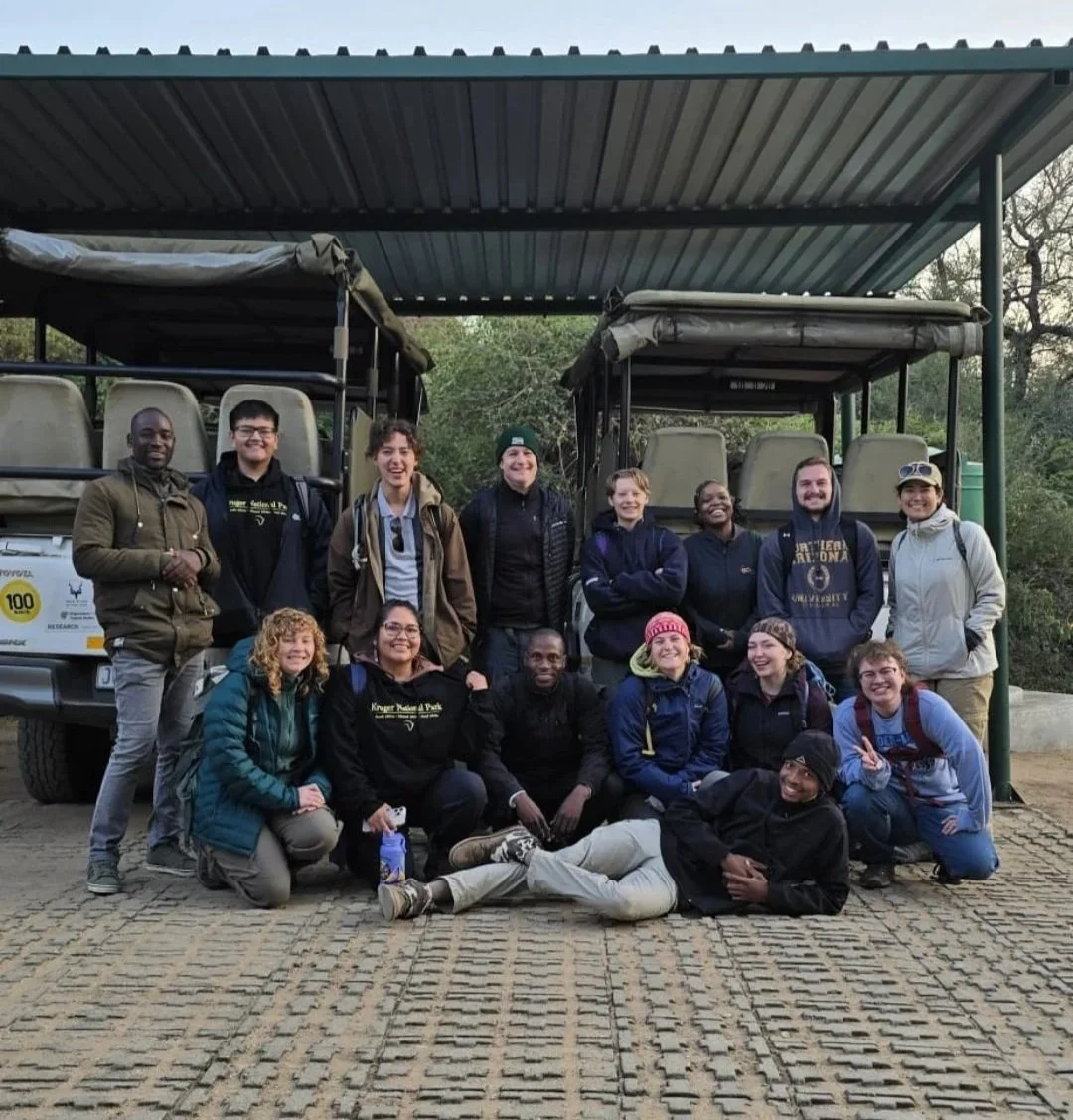
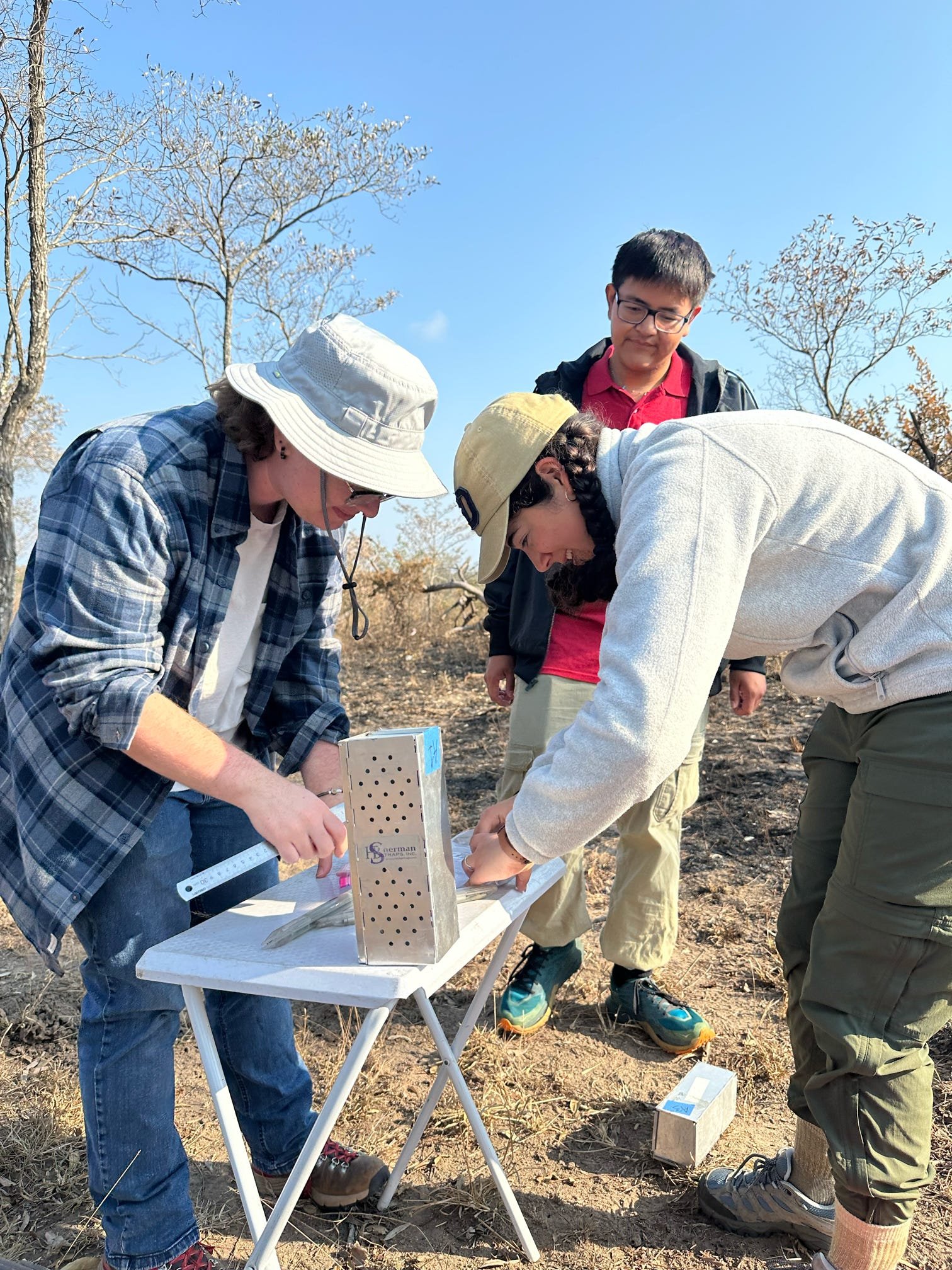
Getting to participate in the 3-week immersive fieldwork course in South Africa has proven to be one of the most incredible experiences, and in more ways than I could have imagined. Our group was based in Kruger National Park at the Skukuza Science Leadership Initiative (SSLI) Campus, surrounded by both the amazing staff and the savanna we came to study. Our purpose was to gain hands-on experience in ecological fieldwork while considering how human presence affects and is affected by the surrounding environment and its changes. We got to participate in ongoing research efforts within Kruger and in the towns outside the park. More specifically, the fieldwork was centered around investigating how land-use change impacts mammal composition, parasites/vectors composition and presence, and vegetation structure. The methods we used included: live traps for rodents, combing the rodents for ectoparasites, transects for vegetation data, and use of camera trap data for further analysis.
Field days started before sunrise and were often chilly, but these early mornings were designed to take advantage of checking on the rodent traps before the heat got too intense. Most days we set out to check traps, and if we found an unmarked rodent, we collected data on species, weight, length (body, tail, hind foot), sex, age, and combed for parasites. Depending on need, we also took blood spots and fecal samples. Having never worked with small mammals before, it was fun to see how the different native species varied in their physical and behavioral characteristics. Vegetation data was collected over 1-2 days at each site while checking rodent traps. We set up two 50-meter transects at each of our sites, one running N-S and one E-W, taking measurements every 5 meters on things such as ground cover and canopy height/density.
Working in teams, our cohort got to present our findings on our research, where, after a few weeks of learning about savannah ecology and being out in the field, we got to see the patterns emerge in our data and see how interconnected the topics we presented on truly were. Learning, collecting data, and presenting research while tying in a “one health” perspective was fascinating and a great way to see real applications of conservation science I’d typically only hear about within the walls of a lecture hall.
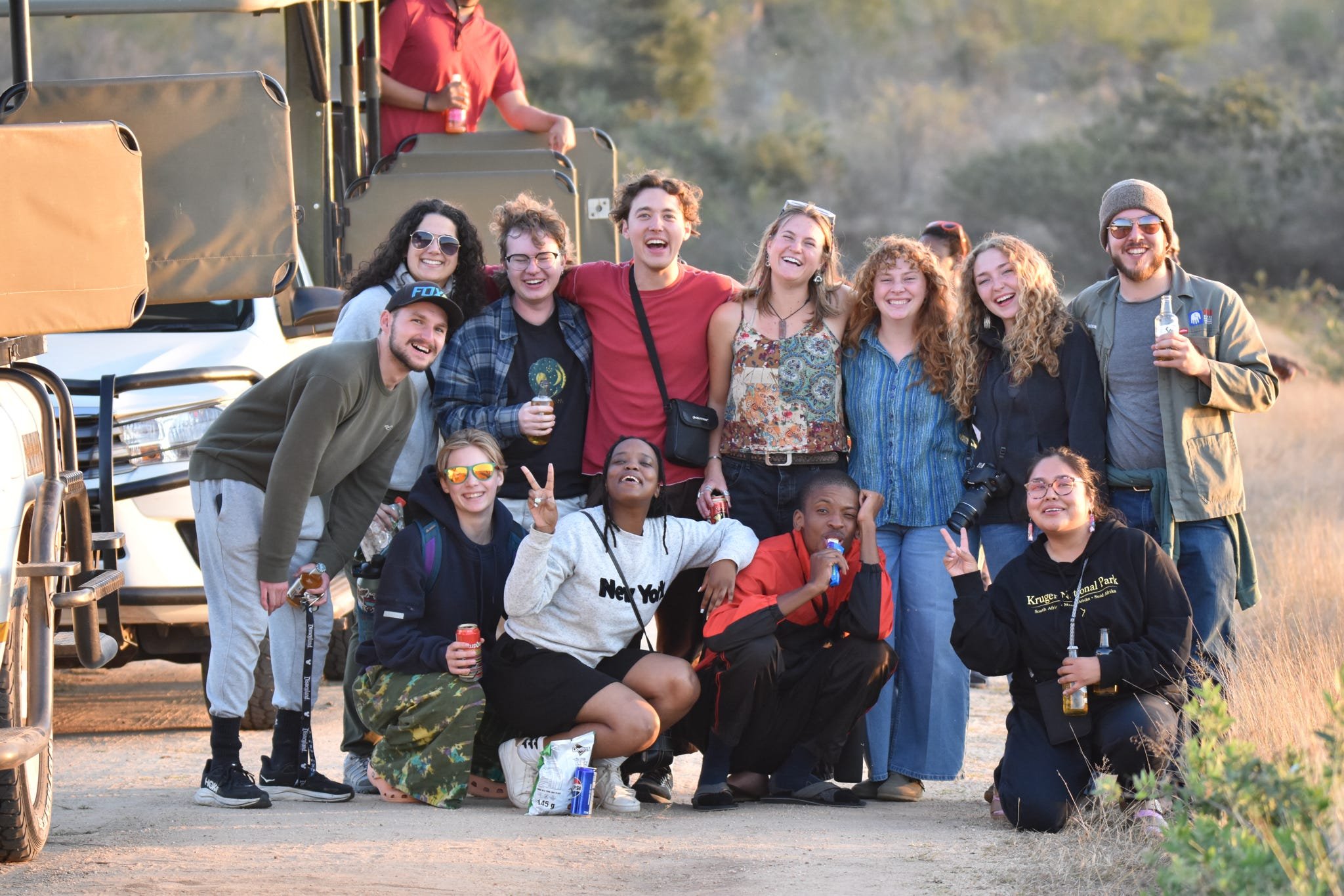
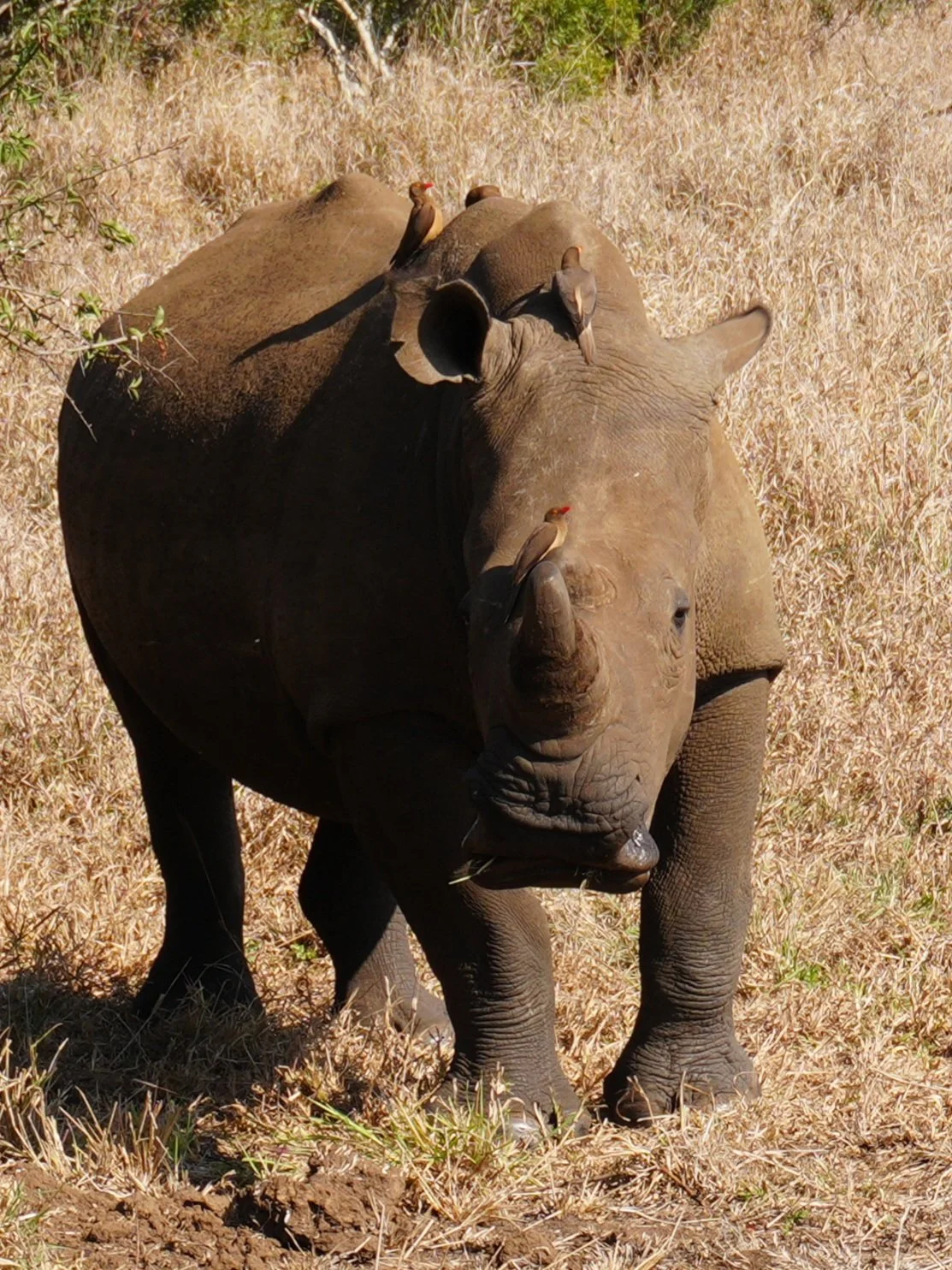
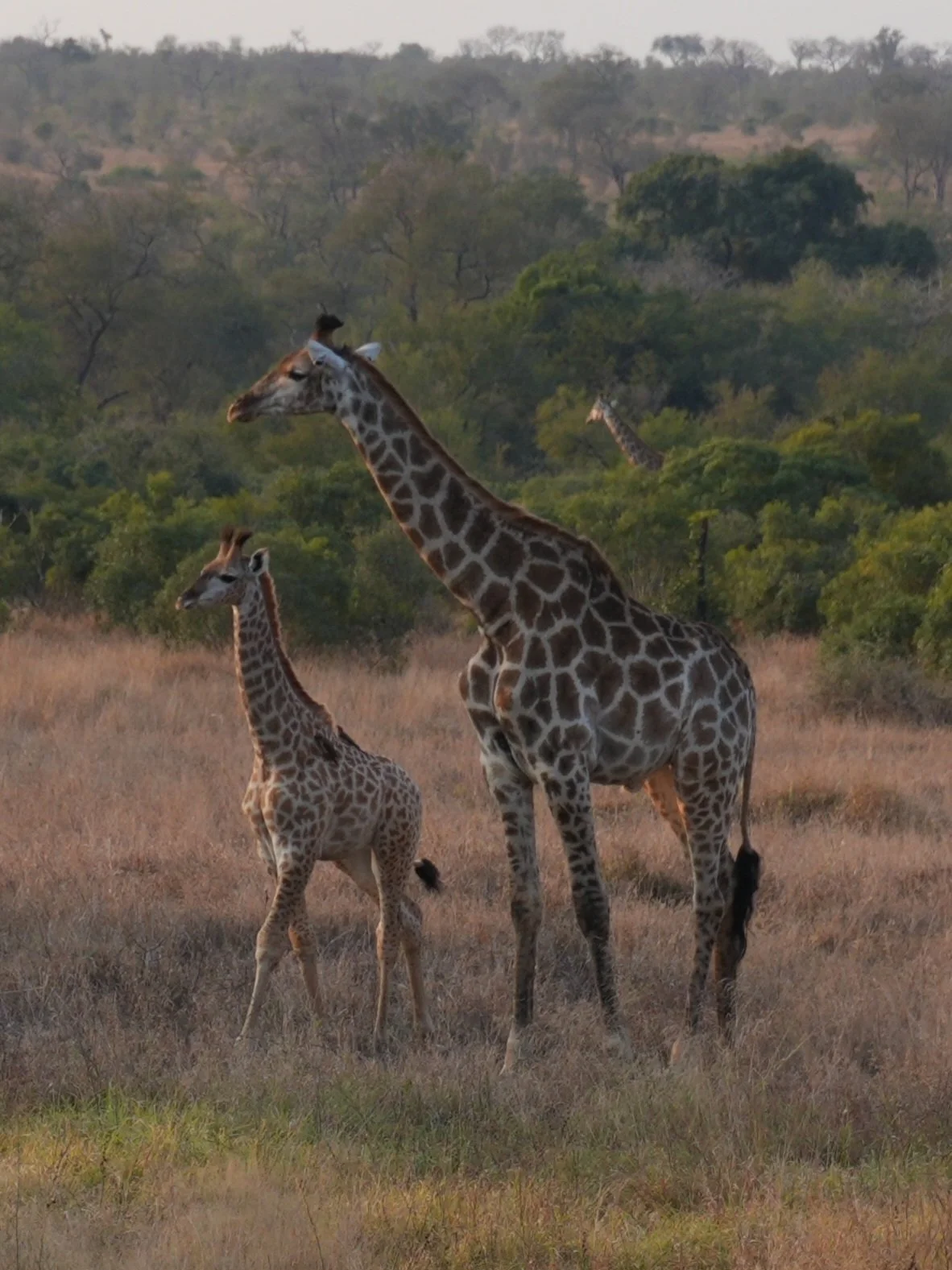
The research and scientific aspects of the program were already excellent in my eyes, and then I got to experience what made this awesome program really amazing. Some of the best memories I’ve made through this program came through the moments in between fieldwork and analysis. New friendships, cultural exchange, and of course, getting to see wildlife through game drives made my time in South Africa all the more special. It would not have been the same without all the incredible people who were involved.
This program has reminded me why I love science, and I highly recommend taking any chance to participate in a course like this