OTS Experience in South Africa
By Sydney Martin
During the summer of 2025, I spent six weeks in South Africa participating in an ecological research internship through the Organization for Tropical Studies. The program gave me the opportunity to gain hands-on experience in field ecology while working closely with other students, instructors, and researchers. Being fully immersed in the field allowed me to develop critical thinking and problem-solving skills while learning what ecological research looks like outside of a classroom setting.
One of the main goals of the course was to understand the rapid loss of large trees across the landscape. Much of this decline is driven by elephant feeding and habitat disturbance, which also increases fire frequency and intensity. To explore these patterns, we collected vegetation data and conducted rodent and bird surveys across different plot types. Looking at multiple groups of organisms helped us better understand how changes in vegetation affect the broader ecosystem.
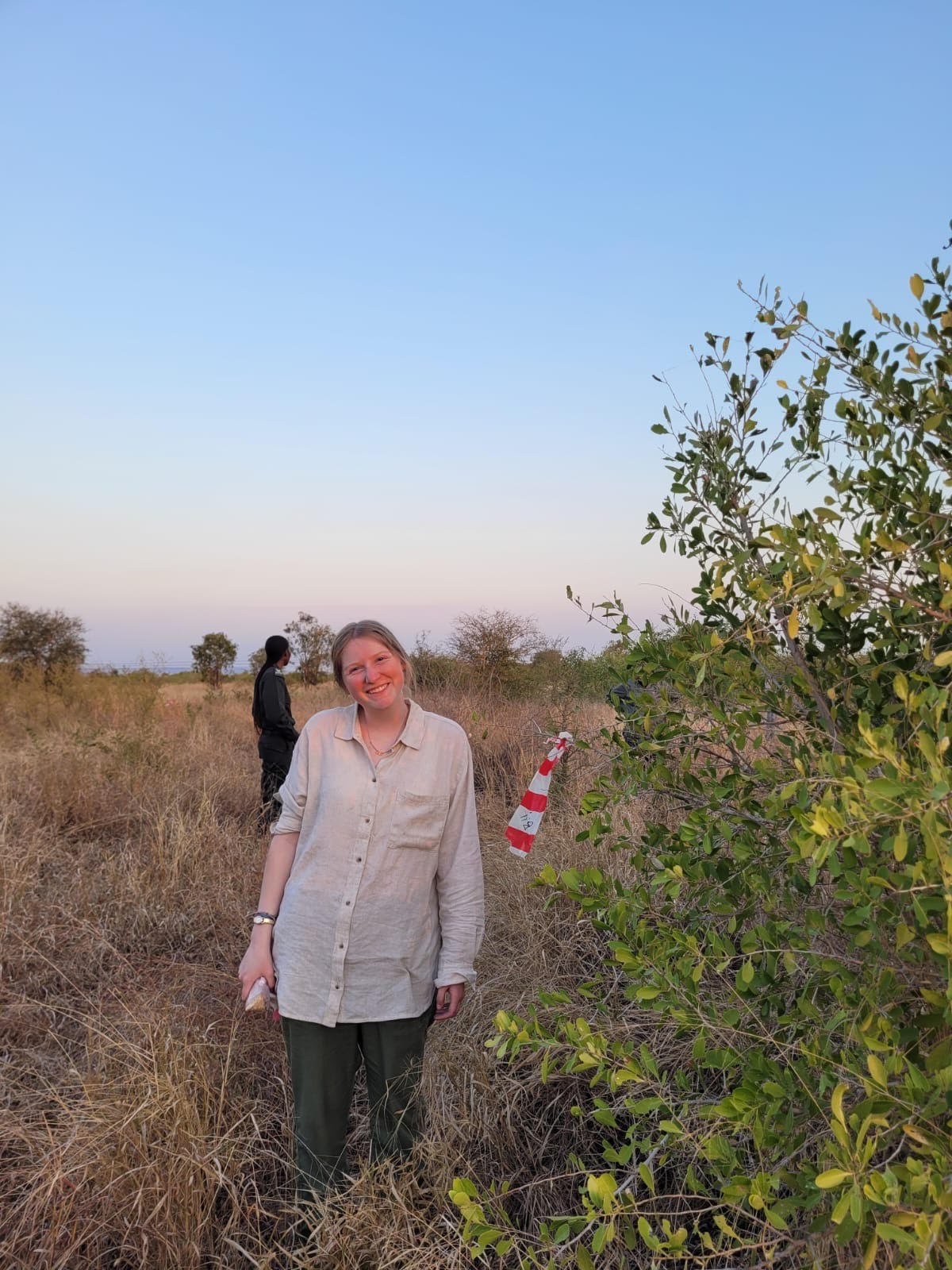
No two field days were the same, but most days started before sunrise as we drove out to our plots. Bird surveys were often the first task of the day, following set routes and time intervals to record which species were present. At first, I was amazed by how easily the instructors could identify birds just by hearing their calls. Over time, I began to recognize those calls myself, which was incredibly rewarding and gave me a real sense of progress.
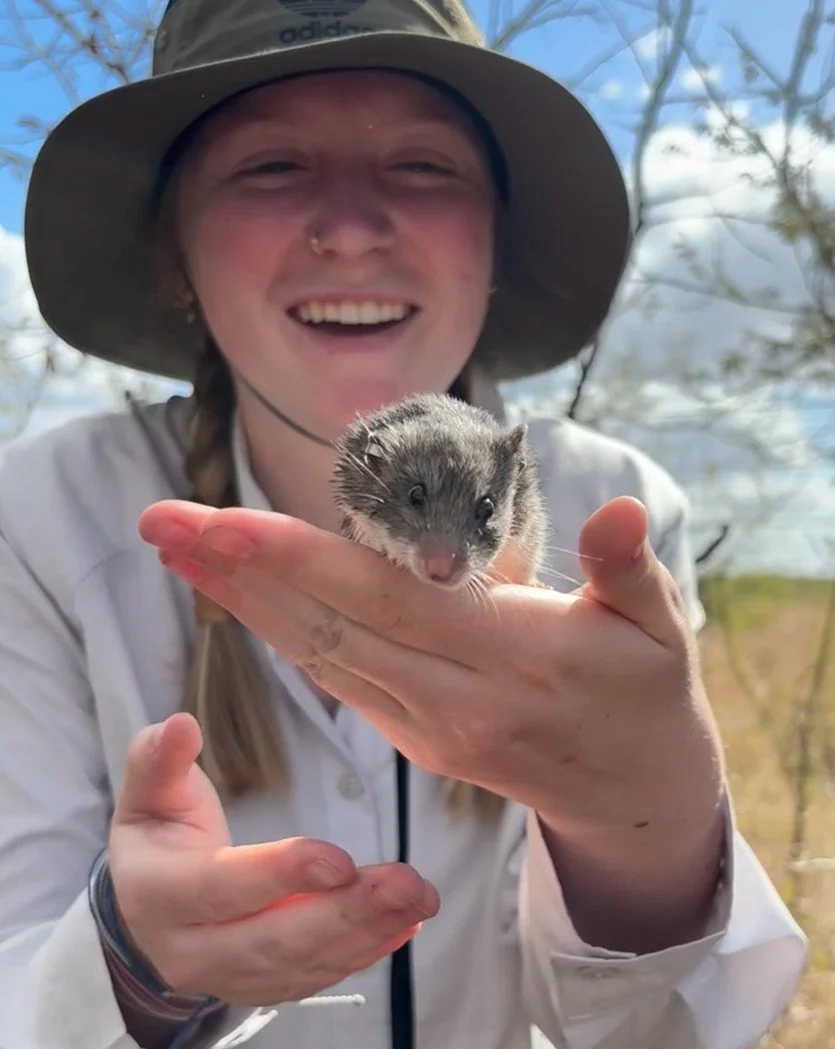
After bird surveys, we checked rodent traps to see which species had been captured in each plot. I had never worked hands-on with rodents before, but I quickly grew comfortable with it and came to really enjoy that part of the work. We recorded data such as sex, weight, body length, and age before releasing each individual. Watching how rodent communities differed between grass- and shrub-dominated areas made the data feel tangible and meaningful.
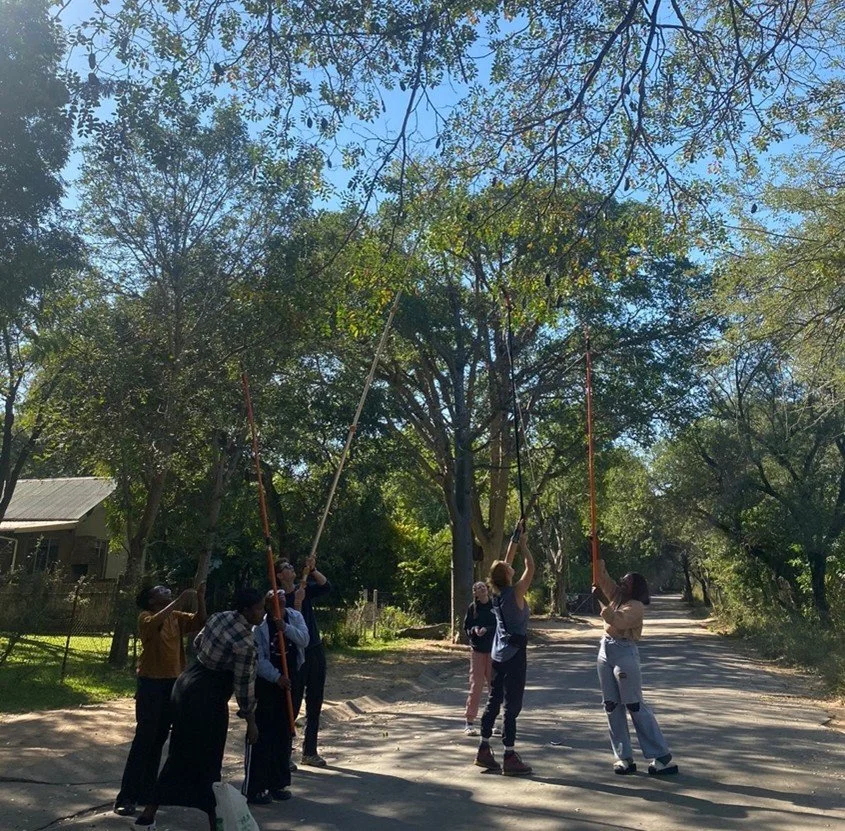
On other days, we focused on collecting vegetation data, which helped show how much the landscape has changed over time. Seeing these changes firsthand made the ecological questions we were studying feel very real and urgent.
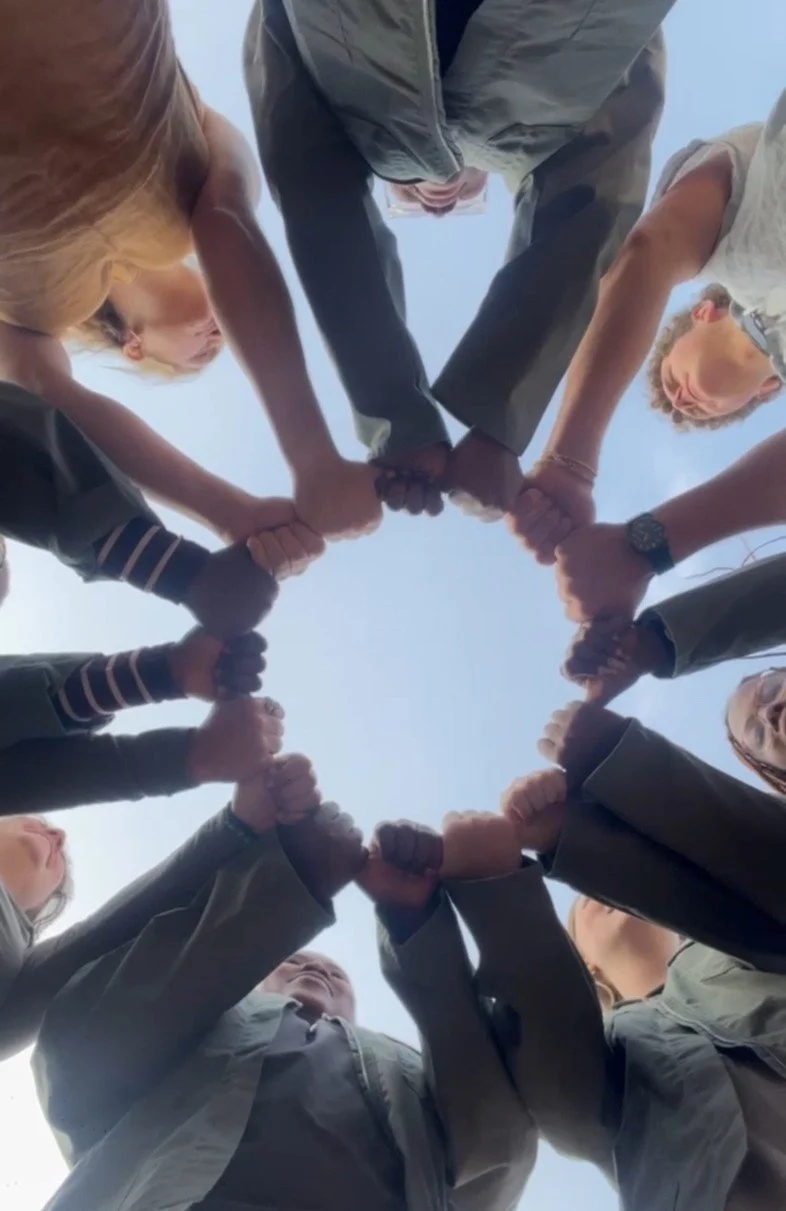
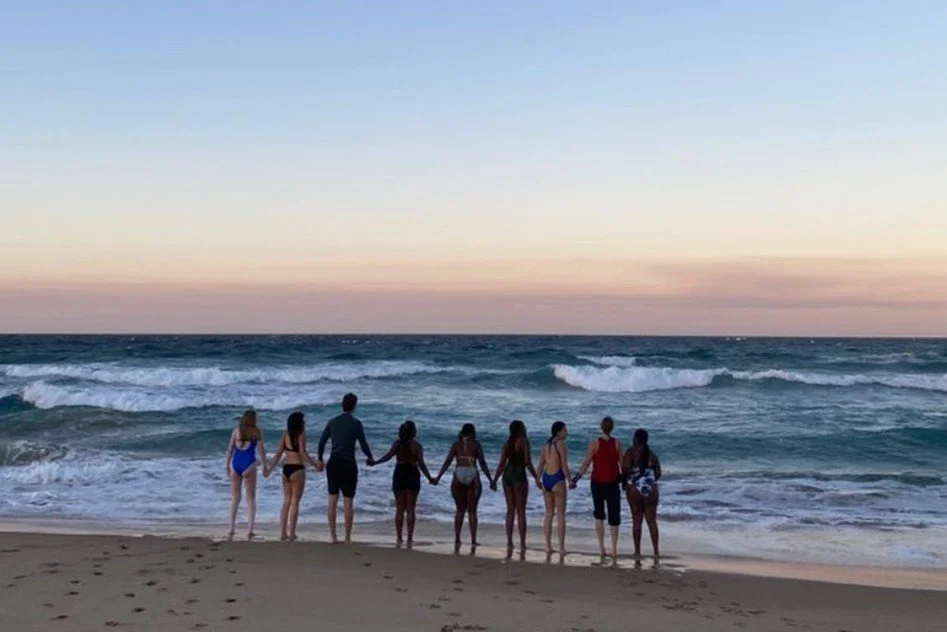
Outside of fieldwork, the experience was just as meaningful. Working and living alongside people from different countries and backgrounds pushed me to think differently and taught me the value of collaboration. Everyone brought a unique perspective to the group, and learning how to work together strengthened my patience, communication skills, and ability to compromise.
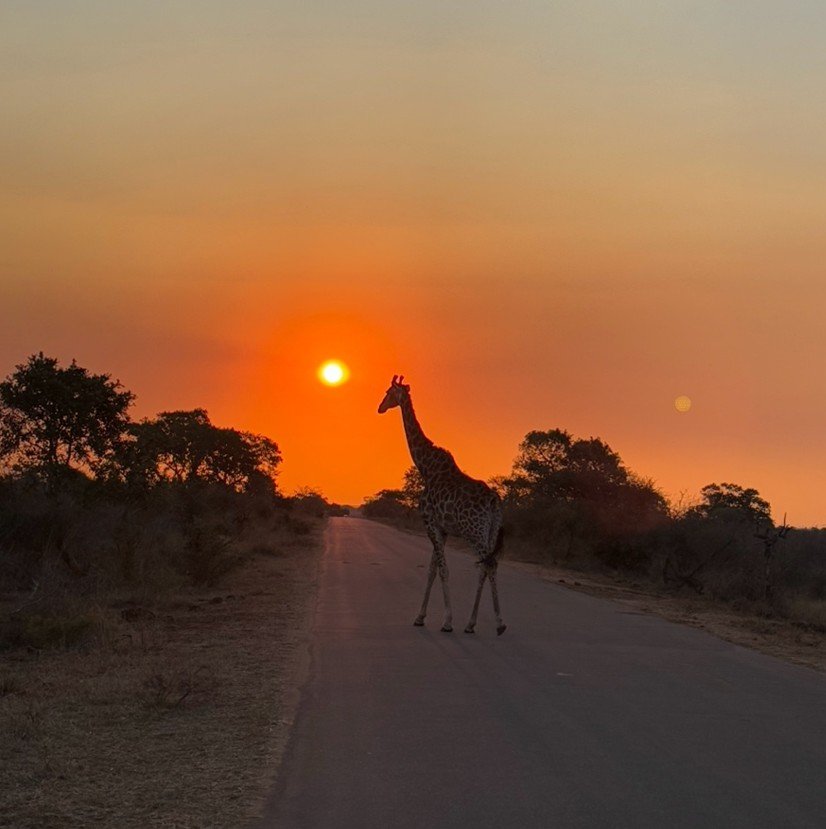
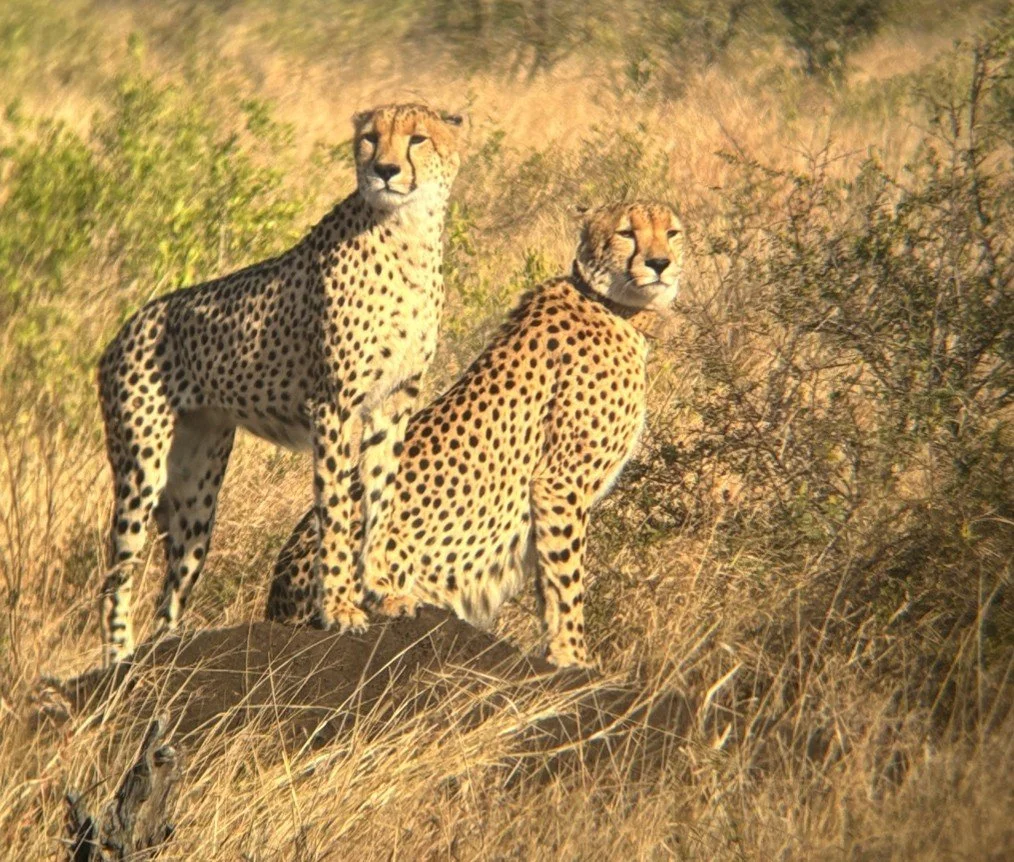
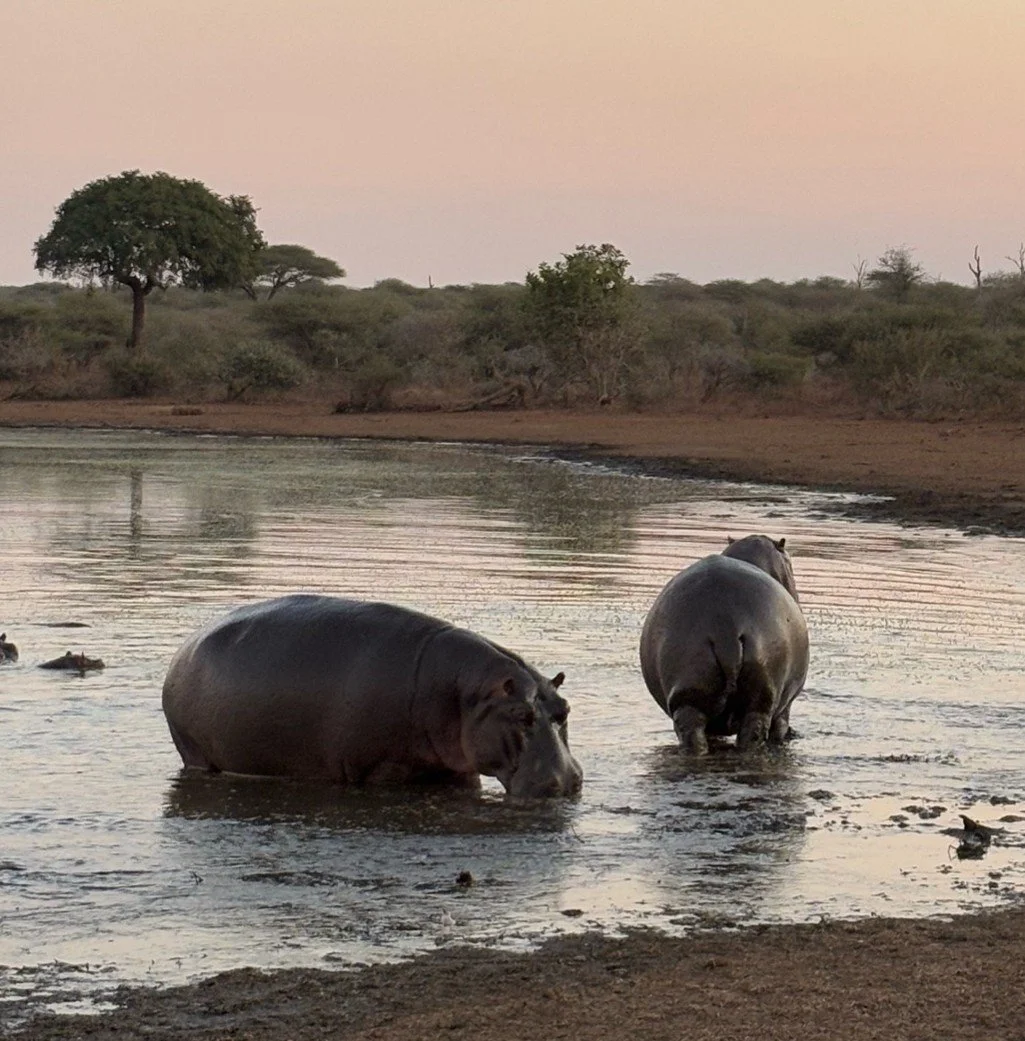
Spending time in the savanna and seeing wildlife up close was another unforgettable part of the program. Every day brought something new, whether it was watching animals move through the landscape or hearing hippos at night and lions in the early morning. Despite camping and working in open areas, I always felt safe and supported throughout the program.
Field life was challenging at times, with long days, early mornings, and unpredictable conditions. There were moments when the data didn’t immediately show clear patterns, even after hours of work. However, those moments taught me that research often requires patience and persistence, and that progress doesn’t always come right away.
This internship helped me grow both as a researcher and as a person. I gained practical field skills, confidence in my abilities, and a deeper appreciation for ecological research. More than anything, the experience confirmed my desire to continue working in this field and to pursue opportunities that allow me to contribute to conservation and environmental research.